Wood & Wire Fencing
Privacy fence, farm and field wire, gates, and fence lines — set true, built to last, and cleared in before we build.
A fence is only ever as good as the line it sits on and the posts holding it up. Everything else — the boards, the wire, the gates — is finish work sitting on top of those two things. Get them wrong and you'll be fixing a leaning, sagging fence for years.
We clear and mark the line first, then set posts properly: deep enough to sit below frost, plumb, and concreted where the job calls for it. Corners and gate posts get braced, because those are the points that pull a fence out of line first. Then we build — wooden privacy, ranch rail, field wire, woven or barbed — and hang gates so they swing true and still latch a year later.
The advantage of hiring the same outfit that runs the clearing equipment is that an overgrown fence line stops being a two-contractor problem. Old fence pulled out, cedars and brush taken off the line, new fence built, all in one mobilisation. Most fencing crews will quote you a line they can already walk down, and leave the clearing to somebody else.
We work farms, acreages and residential lots across the Kansas City metro. Every run is quoted per job — tell us the rough footage, what you're fencing and what you're fencing it for, and we'll get you an honest number.
What's included
- Wooden privacy & ranch-rail fence
- Field, barbed & woven wire
- Post setting, bracing & gate hanging
- Overgrown fence-line clearing included
- Old fence pulled and disposed of
- Farm, acreage & residential runs
See the work in action
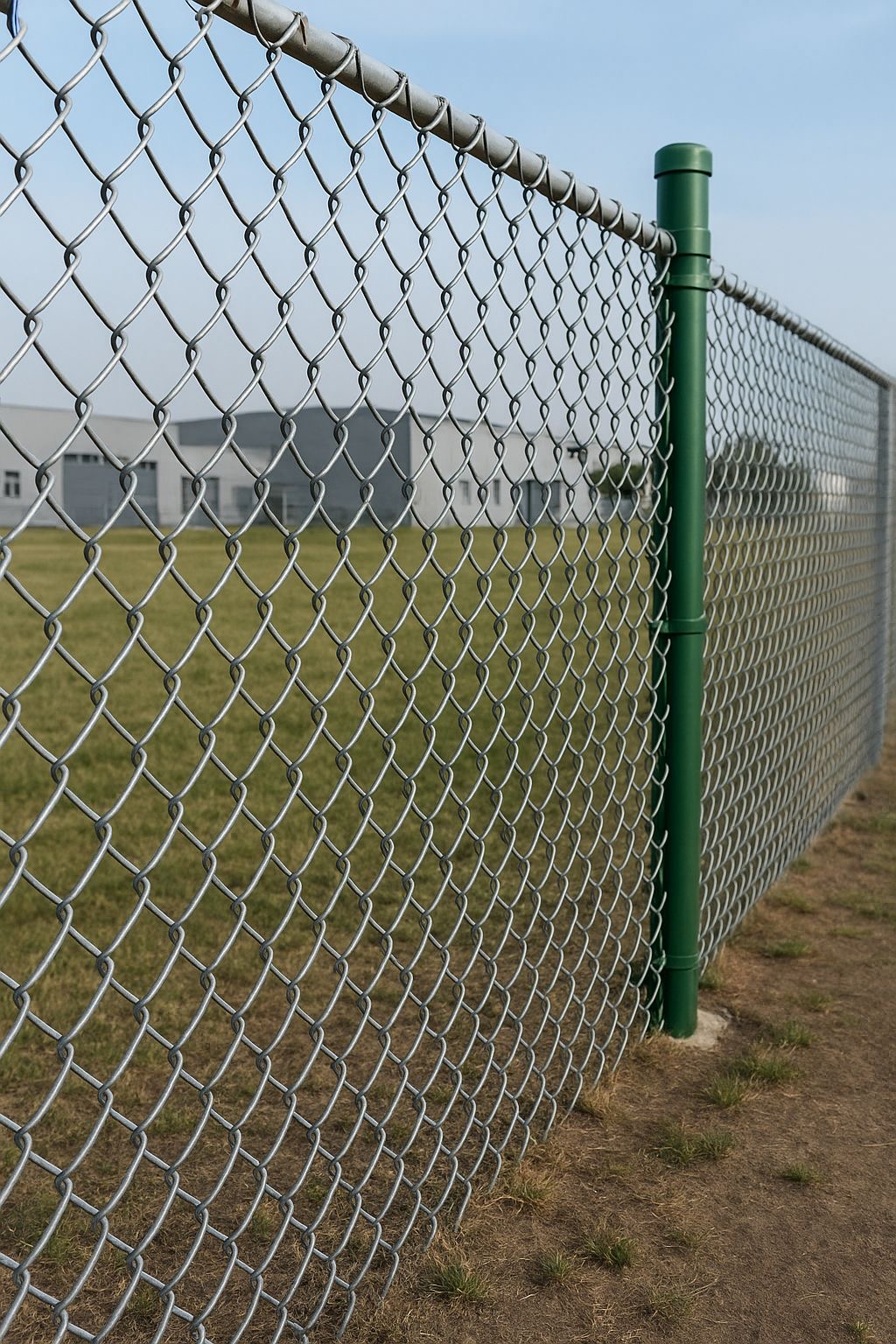
Licensed footage of the kind of work we do — photos and video from our own Kansas City jobs are added as we complete them.
What kind of fence are you after?
Every type below is work we do. Each page covers what it costs you in upkeep, what it holds in, and where it's the wrong choice.
Wood Privacy Fence
Full-height cedar or treated privacy fence — the standard for backyards across the metro.
Read more →Chain Link Fence
Galvanised or black vinyl-coated chain link — the economical way to enclose a yard, pen or work site.
Read more →Ornamental Iron & Aluminium Fence
Powder-coated steel and aluminium — the wrought-iron look with far less upkeep. Common for pools and frontages.
Read more →Vinyl Fence
PVC privacy and rail fence — no staining, no rot, no splinters. Highest up-front cost, lowest upkeep.
Read more →Split Rail & Ranch Fence
Two and three-rail split rail — the classic acreage boundary. Marks a line without walling anything off.
Read more →Farm, Field & Barbed Wire
Woven field wire, barbed and high-tensile for livestock, pasture and acreage — over long runs and rough ground.
Read more →How we build a fence line
The work that decides whether a fence lasts happens before a single board goes on.
Clear and mark the line
Old fence and wire comes out, brush and saplings come off the line, and we mark the run. If there's any question about where the boundary sits, that gets settled before we dig — a fence in the wrong place is an expensive conversation with a neighbour.
Set the posts
Holes are dug to depth, posts set plumb and concreted where the job needs it, with corners, ends and gate posts braced. Corners and gates carry all the tension — they're where a cheap fence starts leaning first.
Build it and hang the gates
Boards, rail or wire goes on, stretched and fastened at consistent tension so the line stays straight. Gates get hung last, squared and swinging clean, and we haul off the old fence and offcuts.
What moves a fencing price
Fencing is priced by the run, but two jobs of identical footage can land a long way apart. Here's what changes it.
- Linear footage. The base of any fencing quote. Longer runs cost more in total but usually less per foot, because setup and mobilisation get spread further.
- Fence type. Barbed or field wire on steel posts is at the economical end. Woven wire, ranch rail and full wooden privacy fence climb from there in both material and labour.
- What the ground is like. Rock, hardpan and steep or rolling ground all slow post setting down. A flat, diggable line is the cheapest fence you'll ever build.
- Clearing needed first. A clean, walkable line adds nothing. A line grown over with cedars and brush, or with old fence and wire buried in it, adds clearing time — though it's still cheaper bundled with the build than hired separately.
- Gates and corners. Every gate and every corner needs bracing and heavier posts. A straight run with one gate costs less than the same footage cut up by several openings and turns.
- Removing the old fence. Pulling posts, rolling up old wire and hauling it off is real work, especially where wire has grown into trees. Worth quoting up front rather than discovering it on day one.
Fencing — questions we get asked
Can you clear an overgrown fence line and build the new fence?
Yes, and it's the main reason people call us for fencing. We run the mulching and clearing equipment ourselves, so old fence, brush and volunteer cedars come off the line and the new fence goes up in the same visit — one contractor, one mobilisation.
How deep do you set posts?
Deep enough to sit below the frost line for our area, with corners, ends and gate posts set deeper and braced because they carry the tension. Exact depth depends on the fence type and what the ground is like, and we'll tell you what we're doing on your job.
Do I need a survey before you build?
If there's any doubt about where your boundary runs, get it surveyed first. It's far cheaper than moving a finished fence. Where the line is already clear and agreed, we can build to existing markers or an existing line.
What kind of fence is best for livestock?
It depends what you're keeping in. Woven or field wire suits cattle and general farm use; horses usually want ranch rail or something without wire they can catch a leg in; goats will test anything with a gap. Tell us the animal and we'll tell you honestly what holds.
Do you do repairs, or only whole new runs?
Both. Storm damage, a section a tree came down on, a leaning corner that needs resetting — all normal work. Send a photo and rough length and we can usually price a repair quickly.
How long does a fence take to build?
A short residential run is often a day or two. Longer farm and acreage runs depend on footage, ground conditions and how much clearing comes first. You'll get a realistic window with the quote.
Tell us about your property
Send a few photos and the rough acreage and we'll get you a free estimate — usually within one business day. No deposit to book.